
Land and Sovereignty
The Treaty of Private Fuel Storage
The story of Private Fuel Storage is one of resilience. There was a time when the Skull Valley Band of Goshute faced difficult decisions about land, power, and the right to self-determination.
The Proposal
A Promise of Progress
For a small tribe often overlooked by opportunity, it seemed like a way to secure a future. But beneath the promise of progress lay complex questions about health, sovereignty, and the price of partnership.

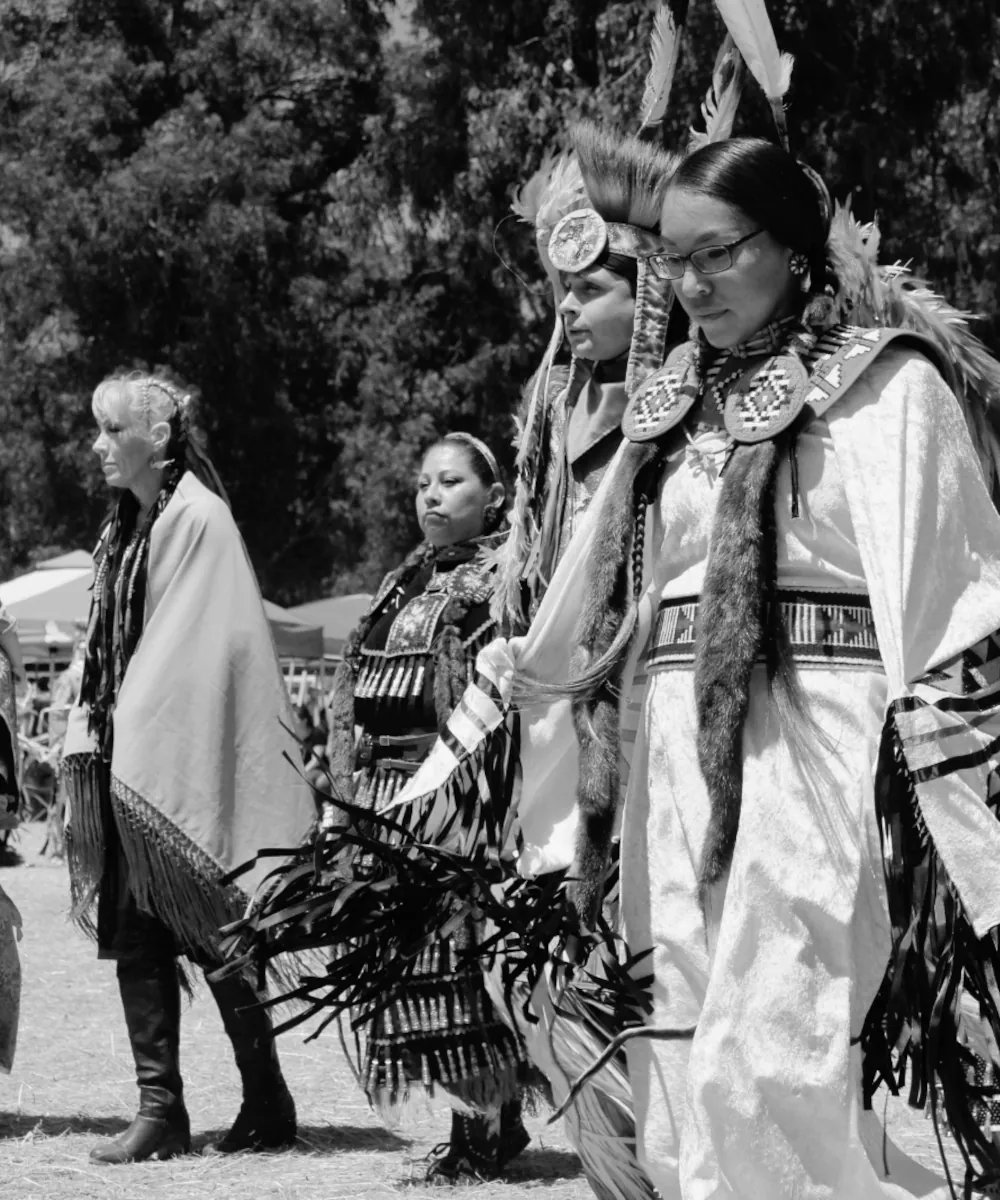
Division and Debate
A Community at a Crossroads
Tribal leaders and members debated fiercely, joined by voices from across Utah and the nation. Environmental advocates, government officials, and neighboring tribes all took sides.
“They call it opportunity. We call it risk.”
“This is not about waste. It’s about sovereignty.”
They call it opportunity. We call it risk.
This is not about waste. It’s about sovereignty.
Politics and Power
The Broader Battle
The State of Utah, environmental groups, and federal agencies entered the debate. Years of legal battles and hearings followed, challenging the right of the tribe to make its own decision.
The project sparked national conversations about tribal sovereignty, environmental justice, and economic exploitation — issues still relevant today.
Resolution and Reflection
The Land Remains Ours
After nearly two decades of tension and litigation, the PFS project was finally withdrawn in 2012. The land returned to silence and to the stewardship of its people.
The experience left lasting lessons: that progress without balance is fragile, and that sovereignty means more than autonomy. It means the freedom to say no.
1992
Initial discussions with PFS
1996
Preliminary lease signed
2006
NRC issues storage license
2012
Project withdrawn
1992
Initial discussions with PFS
1996
2006
2012
The Legacy of PFS

Sovereignty First
True progress begins with respect for tribal self-determination.

Stewardship of the Land
Economic growth must never outweigh the health of our people or the land that sustains us.

Strength in Dialogue
Through hardship, we found our voice united by purpose and history.